Most people reach for acetone to remove nail polish and put it straight back in the drawer. But if you are only using it for that, you are leaving a lot on the table. Acetone is one of the most versatile solvents available for home DIYers and makers alike, and some of its best uses are the ones nobody talks about.
Here are some of the most useful acetone uses at home and in the workshop that are worth knowing about.
1. Smooth out your 3D prints with acetone

If you print with ABS filament, acetone is one of the best post processing tools you have access to. Applying DIGGERS™ Acetone directly to the surface of an ABS print dissolves the outer layer just enough to fuse the print lines together, leaving a smoother, glossier result that looks far closer to an injection-moulded finish. For a more even result, place the print inside a sealed glass container with acetone-dampened paper towels and let the vapour do the work. Always use a glass container, never plastic, work in a well-ventilated area away from ignition sources, and keep in mind this technique only works on ABS, not PLA or PETG.
2. Rescue a cracked or peeling graphic tee
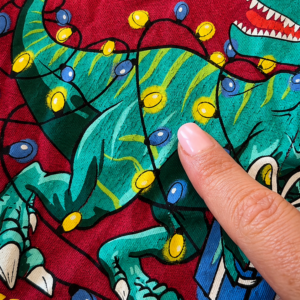
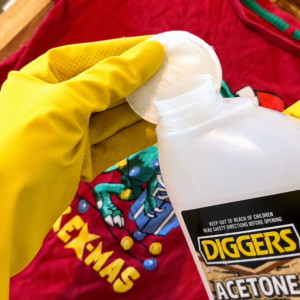
Before you throw out a favourite t-shirt with a cracked or peeling graphic, try this. Dab a small amount of DIGGERS™ Acetone onto the affected area with a cotton ball. The acetone softens the print material and helps bond the cracked edges back together, noticeably reducing the cracking and peeling.
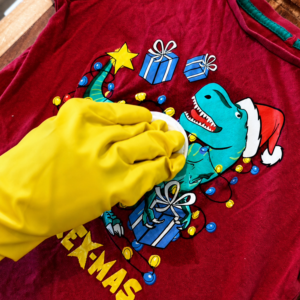

This works best on 100% cotton or mostly cotton garments, so always check the care label and do a spot test on a hidden area of the fabric first. Avoid use on polyester or other synthetic fabrics.
3. Strip shellac and lacquer when flipping furniture
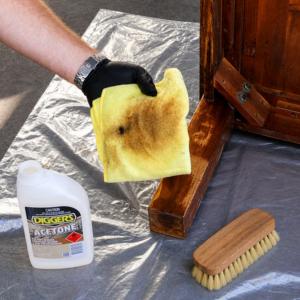
Acetone is a useful solvent when refinishing old furniture, particularly on pieces finished with shellac or lacquer. If you are stripping a piece back and do not have a dedicated product on hand, DIGGERS™ Acetone applied with a cloth can help dissolve the finish and make sanding back easier. Keep in mind it works best on shellac and lacquer specifically and will have little effect on polyurethane or oil-based finishes. For a more thorough strip, a dedicated product such as DIGGERS™ Lacquer Thinner will give you better results. Always test a small hidden area first, wear gloves, and work in a ventilated space.
4. Transfer ink onto timber or leather
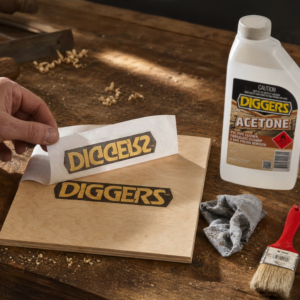
One of the lesser known acetone uses in the craft and maker community is image transfer. Print your design on an inkjet printer, place it face down onto raw timber or leather, apply DIGGERS™ Acetone with a cloth, and press firmly before peeling the paper back slowly. The ink transfers directly onto the surface, making it a handy technique for personalising timber pieces, prepping surfaces before laser engraving, or adding detail to leatherwork without specialist equipment.
5. Degrease surfaces before painting or bonding
One of the most underrated acetone uses in the workshop is surface prep. A quick wipe of DIGGERS™ Acetone across metal, fibreglass, or timber before painting, priming, or applying adhesive removes oils and contaminants that would otherwise prevent a clean bond. It evaporates fast and leaves no residue, making it a reliable final step before any finishing work.
A few things to keep in mind
Acetone is highly flammable, so always keep it away from heat sources and open flames. Work in a ventilated area, wear gloves, and test on a small area before committing to a full application. Avoid use on painted surfaces, Perspex, or most plastics.
DIGGERS™ Acetone is available at Bunnings, Mitre10 and all good hardware stores.